Qifqi: Albanian Rice Balls with Mint
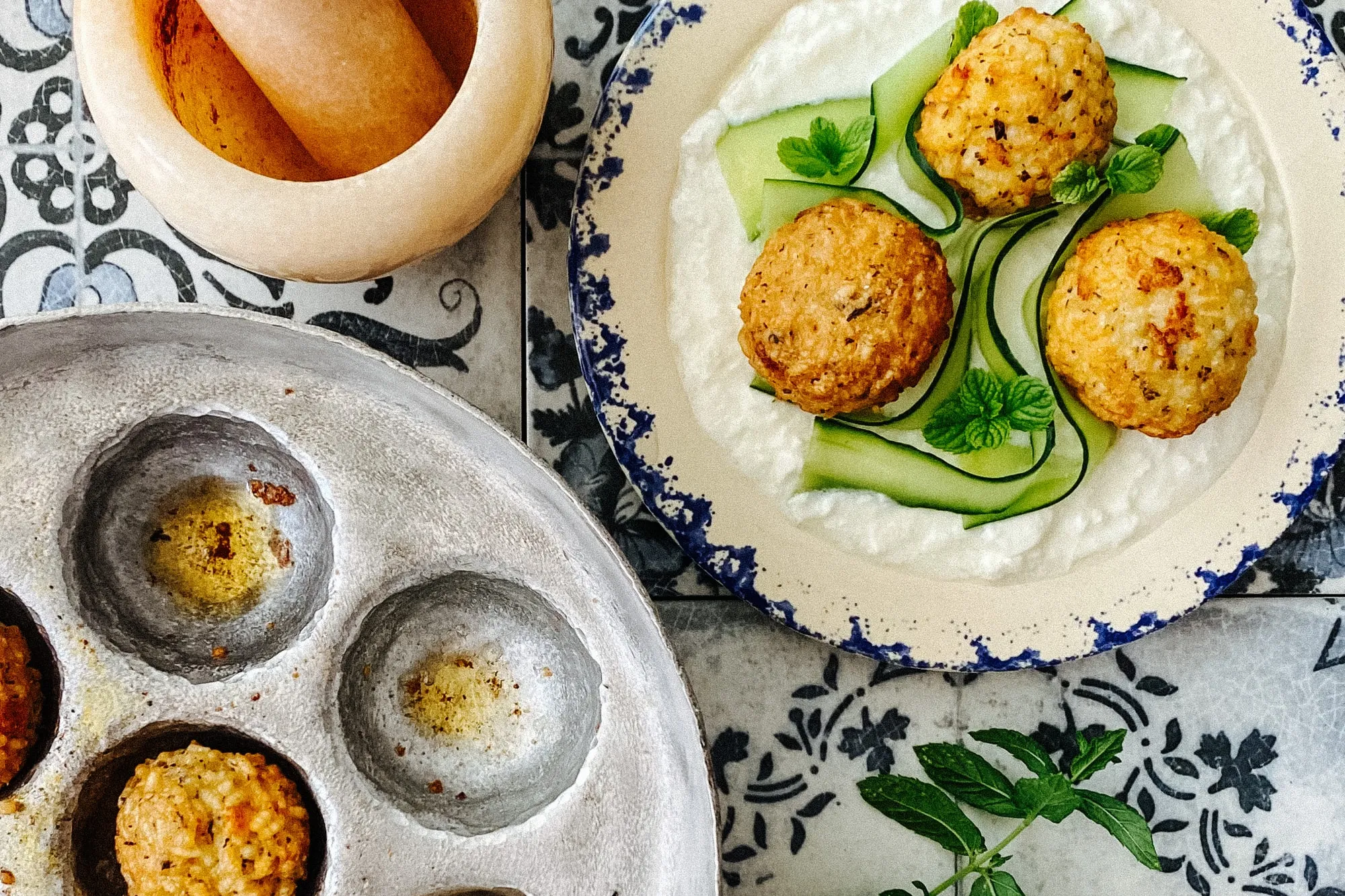
Qifqi recipe: rice bound with egg, dried mint and black pepper, browned in olive oil in a dimpled pan. A Gjirokastër speciality, served hot with yoghurt.
- Prep15 min
- Cook50 min
- Rest20 min
- Serves6
- DifficultyEasy
- RegionGjirokastër
Ingredients
For the qifqi
To serve
Method
- Rinse and drain the rice. Put it in a pan with the water and salt. When it boils, lower the heat, cover and simmer for 12 to 15 minutes, until it has absorbed all the water and is tender and dry, like a pilaf.
- Spread the rice in a wide bowl or tray and leave it to cool until lukewarm, about 20 minutes.
- Add the eggs one at a time, mixing well with a wooden spoon after each. Add the mint, pepper and a little more salt if needed. Keep mixing until the mixture is firm and holds together.
- Put the qifqi pan over medium heat and pour a teaspoon of olive oil into each hollow. When the oil is hot, fill each hollow with a heaped tablespoon of the mixture and press it down lightly.
- Cook for 3 to 4 minutes, until golden underneath. Turn them with a spoon or fork and cook for 3 to 4 minutes on the other side.
- Lift them onto kitchen paper and carry on with the rest of the mixture, adding oil to the hollows before each batch. You will get about 26.
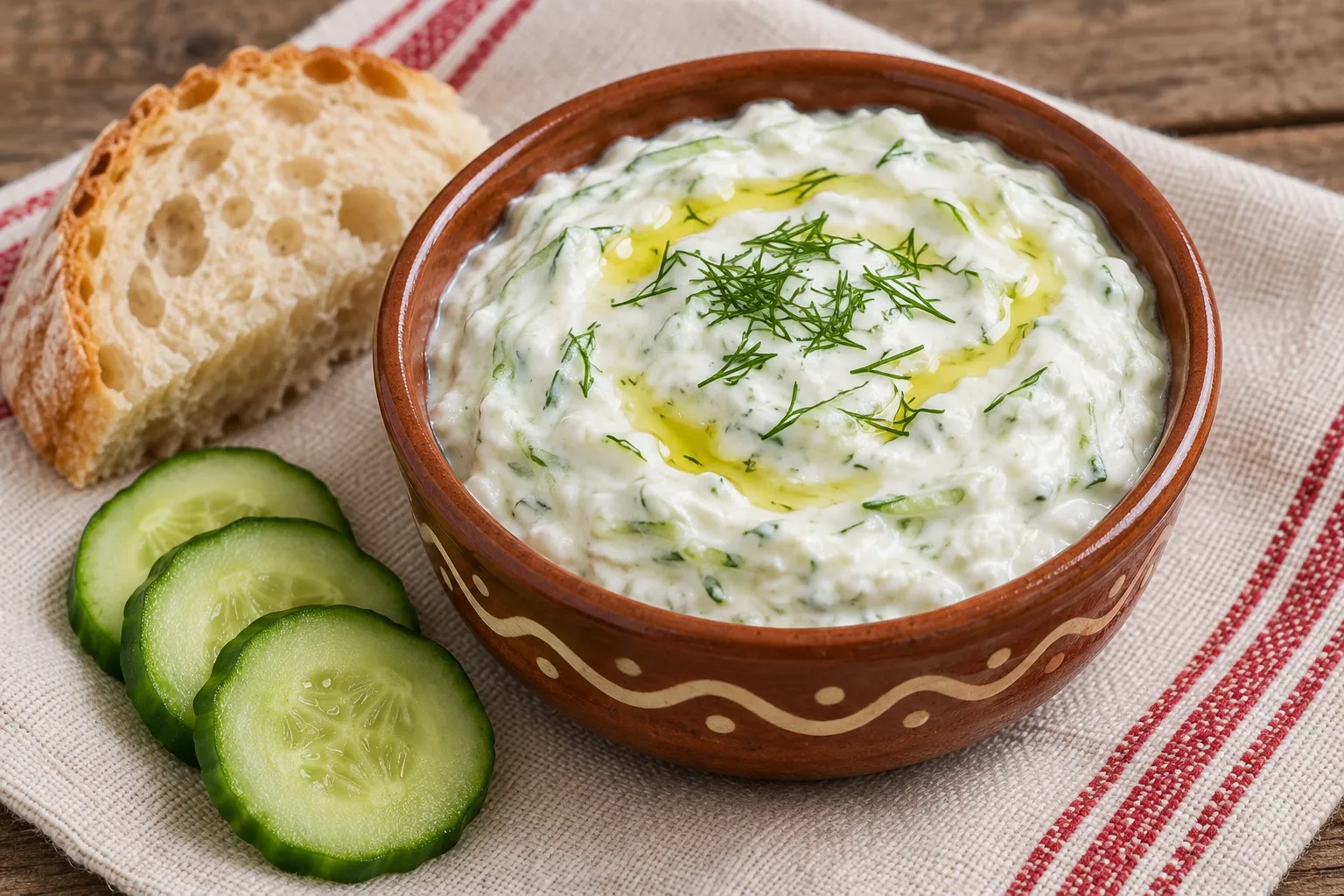
- Serve hot, with yoghurt.
Background and tips
Qifqi (say “CHEEF-chee”) are small rice bites with egg and mint from Gjirokastër, the stone-built town in southern Albania. They are cooked in olive oil in a special pan with hollows, made of hammered, tin-lined copper, usually with five or seven dimples. The craft of making these pans is listed in Albania’s national register of intangible cultural heritage. Qifqi are not deep-fried: each hollow needs only a spoonful of oil. The rest of southern Albanian cooking, with its olive oil, sheep’s milk and fish, is in our guide to Albanian regional cuisine.
The rice must be dry. Wet rice makes qifqi fall apart in the pan. Cook it until it has absorbed all the water, and let it cool until just lukewarm: if it is hot, it will cook the eggs too early. The oil must be hot in the hollows before the mixture goes in, or the qifqi stick. Keep an eye on them, as they colour quickly.
Without a qifqi pan. A Danish aebleskiver pan or a South Indian appam pan has similar hollows and works well. Otherwise, shape the mixture with wet hands into walnut-sized balls, flatten them slightly and cook them in a non-stick frying pan with a little olive oil, turning once. Leftover rice pilaf makes good qifqi too.
Variations and serving. Some cooks add grated cheese or crumbled white cheese such as feta, others butter and fresh mint. Serve them hot with yoghurt as a meze, as a side to grilled meat, or as a light supper. According to several sources, they were once cooked for new mothers and for people who were ill.